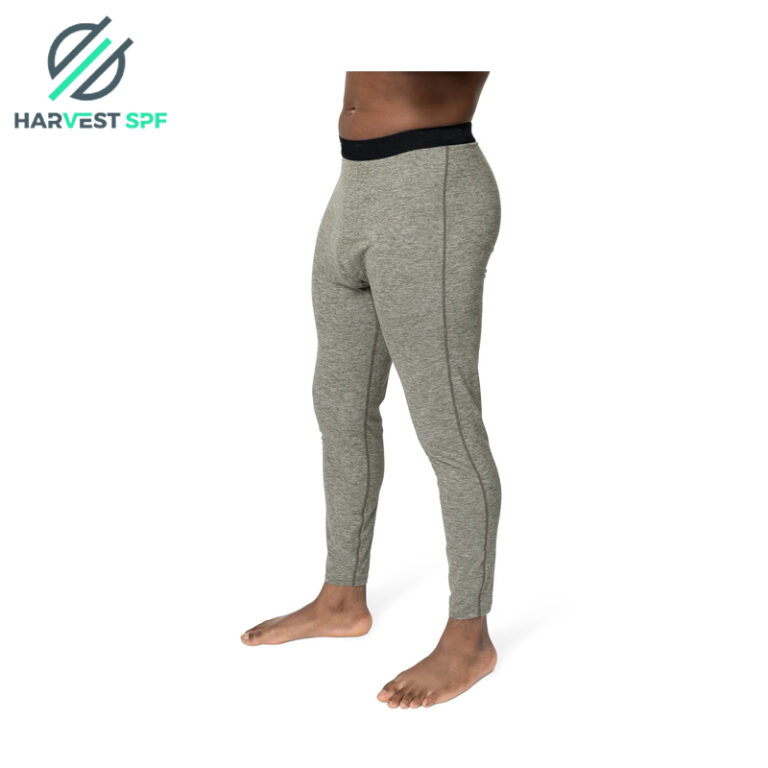
Choosing a layer for heavy sweating
For heavy everyday sweating, the first choice is the layer itself: an undershirt worn under a shirt, rather than a single outer garment expected to do everything. A separate undershirt layer keeps the outer shirt looking drier for longer in ordinary daily use, and it can be changed during the day where an outer shirt cannot. Buyers choosing for a group should still treat individual comfort as personal: the same layer will not suit every wearer, and a trial quantity for fitting is a sensible step before a larger order.
Fit, colour and daily routine
Fit matters as much as function. A layer that is too tight feels uncomfortable across a full day, while a layer that is too loose moves under the outer shirt and draws attention to itself. Colour choice also matters for daily wear: darker and mid-tone colours show moisture marks less readily than pale colours in everyday use, and the supplier's banner colour options of white, grey, black and nude give buyers a starting point to discuss with the supplier. Daily routine matters too: a layer for office wear and a layer for travel are briefed differently, even when the garment is the same.
What this guide does not do
This guide does not explain why a person sweats heavily, does not recommend any product as a remedy, and does not suggest that clothing replaces professional advice. Anyone concerned about sweating that is new, sudden or accompanied by other symptoms should speak to a health professional rather than relying on a clothing guide. For buyers, the practical next step is an inquiry: describe the wearer group, the daily settings and the quantities, and ask the supplier which undershirt styles it currently offers for that use.
Before you order, confirm these points
Share your quantity and target date to get MOQ and lead time for your order. Share the styles, colours and sizes you need, and ask for certificates: Certificates available upon request. Confirm the material option, the cut and the wearer range in writing before production is arranged.
- Which category and cut does your brief cover?
- Which material option do you want to start from?
- What quantity and target date are you working to?
- Which documents do you need with your order?