Where shirts sit in the range
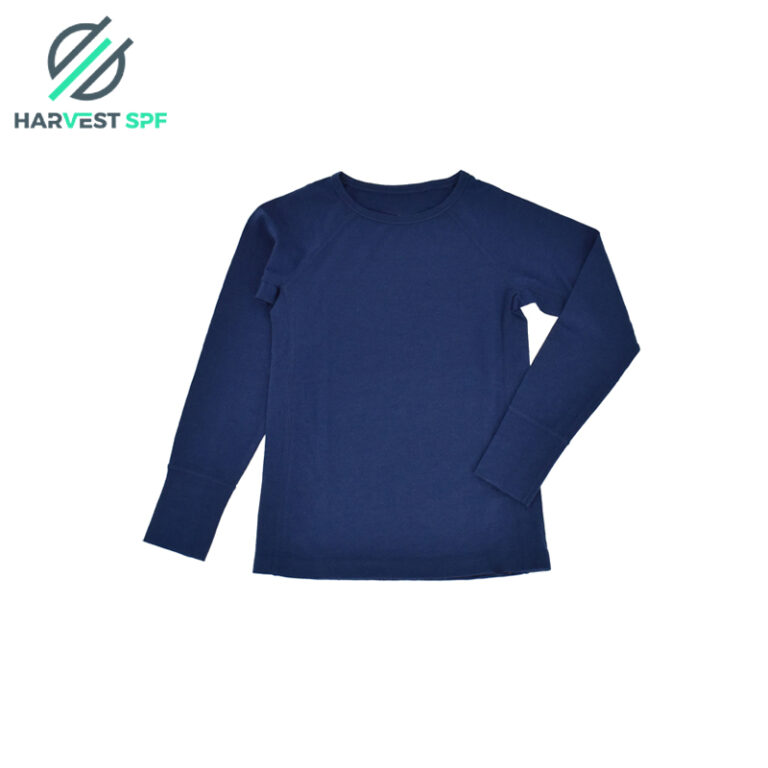
Shirts sit one layer above undershirts. An undershirt is worn underneath; a shirt is the garment other people see. That distinction matters for briefing, because a shirt brief usually covers collar, sleeve and outer appearance as well as the sweat-proof function, while an undershirt brief covers fit under another garment. Buyers who need both layers should brief them as two lines, not as one garment doing two jobs, and should confirm with the supplier which shirt forms are currently offered.
What to confirm for a shirt brief
A shirt brief should name the form first: long sleeve or short sleeve, collar style and the wearer range. It should then name the function angle: sweat-proof protection or moisture wicking, since this site keeps those two angles on separate pages. Colour options shown on the supplier's sweat-proof banner are white, grey, black and nude, and buyers should confirm which colours apply to the shirt form they want, rather than assuming every colour covers every form.
Shirts, T-shirts and dress shirts
Three shirt pages on this site are easy to confuse, so their split is stated here. This page is the general sweat proof shirts category. The sweat proof T-shirt page covers the T-shirt form, and the sweat proof dress shirts page is a selection guide for formal shirts, not a stocked product page. Choosing the wrong one of the three produces a brief the supplier cannot answer cleanly, so buyers should pick the form before the function.
Before you order, confirm these points
Share your quantity and target date to get MOQ and lead time for your order. Share the styles, colours and sizes you need, and ask for certificates: Certificates available upon request. Confirm the material option, the cut and the wearer range in writing before production is arranged.
- Which category and cut does your brief cover?
- Which material option do you want to start from?
- What quantity and target date are you working to?
- Which documents do you need with your order?