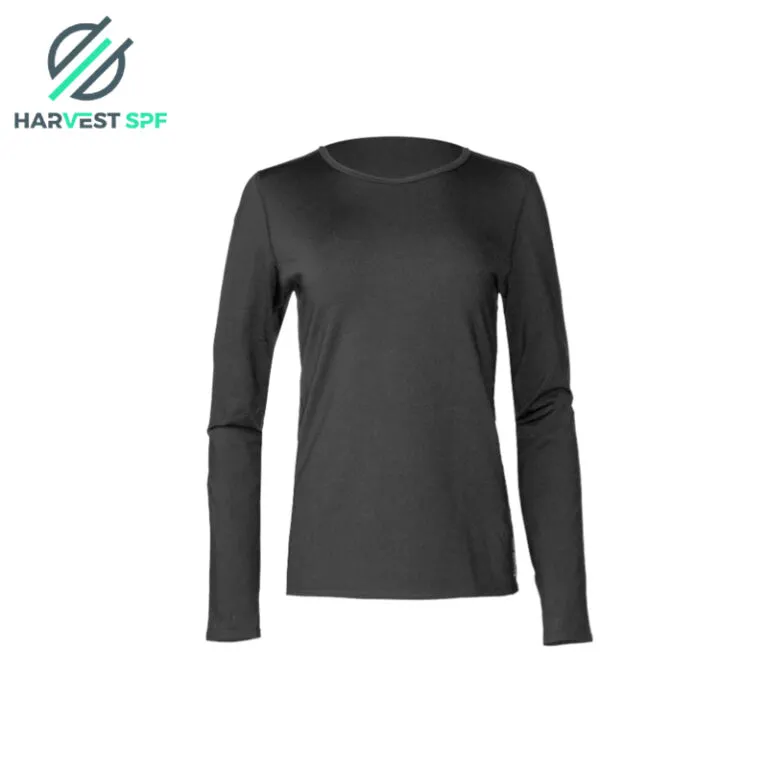
Formal wear with a wicking function
A dress shirt is judged on appearance first: collar shape, cuff, front finish and how it looks under a jacket. A wicking function must therefore fit inside a formal appearance, not replace it. Buyers should brief the formal requirements before the function requirements — collar, sleeve length, front style and colour — and then ask which of those formal forms can carry a wicking function. A brief that leads with function and forgets form will produce samples that fail on appearance.
Comparing wicking formal options
Comparison should run across four points: the formal form, the wicking function, the colour and the wearer range. Formal forms include button-down and button-up styles, which buyers often search for under this heading. Colour for formal wear is usually conservative, and buyers should confirm which of the supplier's banner colours — white, grey, black and nude — apply to a formal form before assuming a full colour range.
Turning the guide into an inquiry
A useful inquiry from this guide names the formal form, the wicking function, the colour direction and the quantity, and asks the supplier to confirm which forms it can offer with that function. It should also ask for certificates, where the standing answer is that certificates are available upon request. If the supplier cannot offer the formal form asked for, the inquiry itself becomes the record of that answer, and the buyer can re-brief from the moisture wicking shirts page instead.
Before you order, confirm these points
Share your quantity and target date to get MOQ and lead time for your order. Share the styles, colours and sizes you need, and ask for certificates: Certificates available upon request. Confirm the material option, the cut and the wearer range in writing before production is arranged.
- Which category and cut does your brief cover?
- Which material option do you want to start from?
- What quantity and target date are you working to?
- Which documents do you need with your order?